Wearing Nike Skull Caps Under Helmets: Fit & Safety
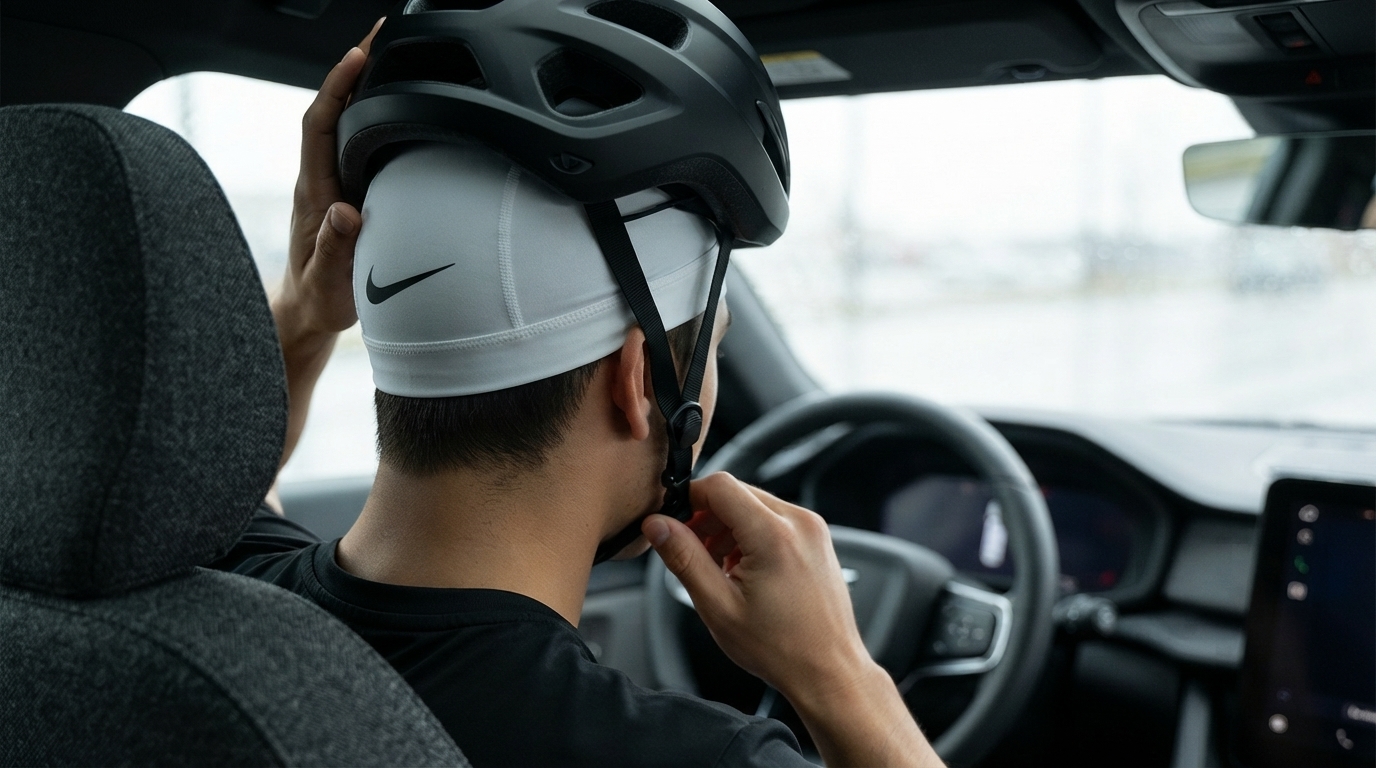
Can Nike skull caps be worn under helmets?
Yes—many Nike skull caps can be worn under helmets as long as the cap is thin, smooth, and doesn’t change how the helmet fits. Athletes often use them under bike, football, hockey, lacrosse, baseball, or skate helmets to help manage sweat, reduce friction, and keep hair controlled. The key is making sure the helmet still sits correctly and stays securely fastened.
How to wear a Nike skull cap under a helmet safely
A skull cap should feel like a second skin under the helmet. Put the skull cap on first, then place the helmet over it and adjust the straps and retention system as usual. The helmet should not feel tighter in one spot, looser overall, or higher on the head than normal. If the skull cap causes pressure points or makes the helmet unstable, switch to a thinner cap or stop using it under that helmet.
Fit and safety checks that matter
Do a quick fit check after adding the skull cap: the helmet should sit level, not rock front-to-back, and the straps should still form a snug “V” under each ear. If you can easily slide the helmet around, the cap may be too slippery or too thick. If it feels uncomfortably tight, the added layer may compromise comfort and proper positioning.
Material and seam placement
Look for a low-profile design with flat seams. Bulky seams or folded edges can create hot spots under helmet padding. Moisture-wicking fabric is helpful for sweat control, especially in warm conditions or high-output sports.
When you should avoid wearing one
Avoid wearing a skull cap under a helmet if it prevents a secure fit, blocks ventilation too much for the conditions, or interferes with integrated padding or fit systems. Also skip it if league rules require a bare head or only allow specific headwear styles.
More detailed guidance
For a deeper breakdown of fit tips, comfort considerations, and practical do’s and don’ts, visit the main guide: Can Nike skull caps be worn under helmets?
FAQ
Do skull caps affect helmet fit over time?
A thin skull cap typically won’t change helmet fit permanently, but it can make a borderline-tight helmet feel tighter and may slightly reduce grip. Recheck fit whenever you change headwear, straps, or padding.










Leave a comment